Crafting Elegance: How Wedding Stationary Cards and Boxes Define the Modern Event Experience
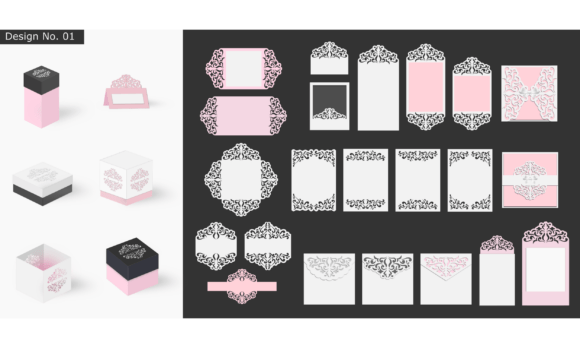
In the landscape of personal and professional event planning, the details often speak loudest. The tactile experience of a beautifully crafted invitation, the thoughtful presentation of a gift favor, the cohesive aesthetic of every envelope and tag—these elements collectively shape memory and perception. Today, achieving this level of bespoke detail is not confined to high-cost specialist printers. A comprehensive digital design package for Wedding Stationary Cards and Boxes represents a pivotal tool for creators, merging traditional elegance with contemporary digital fabrication. This suite, typically encompassing 28 matching templates for cutting and printing, is engineered for compatibility with laser cutters, Cricut, Silhouette Cameo, and similar platforms. It enables the cutting of materials from paper and vinyl to wood, acrylic, and metal, or functions as a print-and-cut solution. This convergence of design, technology, and accessibility is reshaping how professionals and enthusiasts approach event stationery.
Beyond the Invitation: A Holistic Stationery Ecosystem
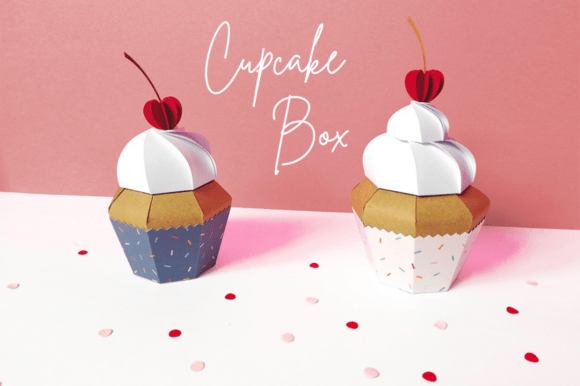
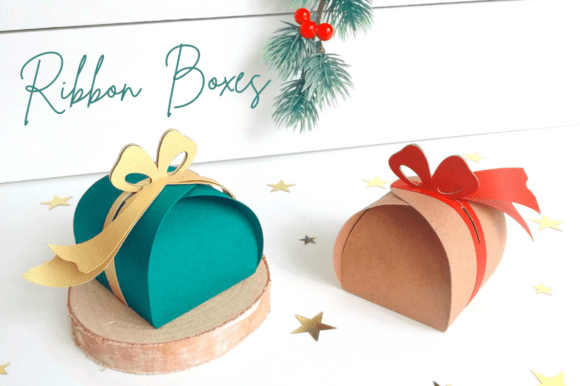
The term Wedding Stationary Cards and Boxes might initially evoke thoughts of a simple invitation card. However, the modern digital package defines a complete ecosystem for event branding. It includes not only varied invitation formats—folded, gatefold, flat, RSVP, and menu cards—but also extends to practical and decorative companions: pocket, trifold, and square envelopes; cube, tall, and votive holder gift favor boxes; and an array of decorative pieces like name cards, labels, tags, bands, and frames. This holistic approach answers a critical market need: the demand for total cohesion. Guests experience the event’s theme from the moment they receive the invitation to when they hold the final favor box. For the creator, this eliminates the frustrating hunt for mismatched templates, ensuring every component reflects a unified design vision.
Alignment with Industry and Consumer Trends
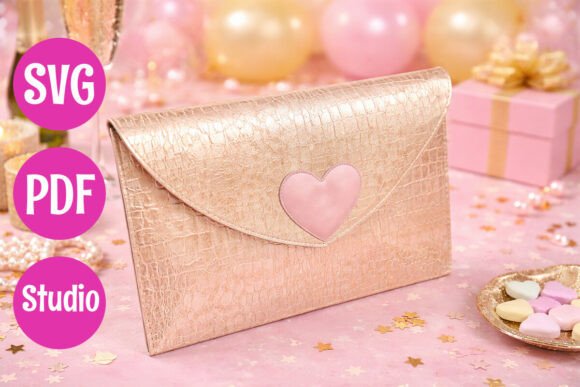
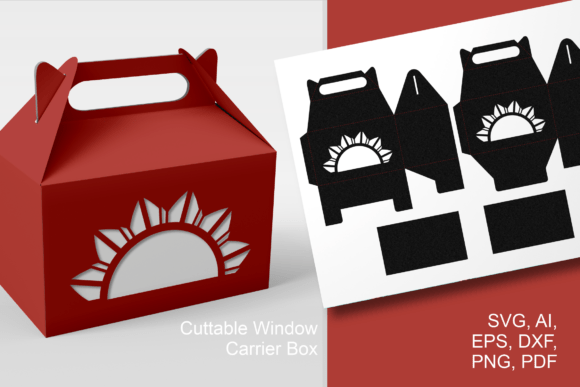
The relevance of such a package is magnified by several parallel trends. Firstly, the personalization economy continues to thrive. Consumers, particularly for milestones like weddings, anniversaries, and significant birthdays, increasingly reject generic, off-the-shelf solutions. They seek uniqueness that reflects their personal story. Secondly, the maker movement and growth of home-based creative businesses empower freelancers and entrepreneurs to offer premium, custom stationery without the overhead of physical inventory or large-scale printing contracts. Thirdly, technological democratization through affordable desktop cutting machines has placed advanced fabrication into countless studios and homes. The provided file formats—SVG, PNG, PDF, and STUDIO 3, with others available upon request—and compatibility with software like Silhouette Studio, SCAL, and MTC, directly serve this technologically enabled creator base.
Why Professionals Are Paying Attention
The attention from professionals, marketers, and freelancers stems from a shift in both workflow expectations and client preferences. The traditional workflow involved outsourcing design, then printing, then assembly, often across multiple vendors, leading to increased costs, longer timelines, and quality control issues. A comprehensive digital package for Wedding Stationary Cards and Boxes collapses this chain. The creator controls the entire process from design adaptation to physical production. This control translates to faster turnaround times, significant cost savings for the business and client, and the ability to make last-minute adjustments or produce short runs without penalty. Furthermore, the fully resizable nature of the templates, with custom sizes available upon request, means one package can adapt to countless event scales and styles, from intimate gatherings to large corporate galas, maximizing the asset’s return on investment.
Changing Needs and Practical Applications
Practical examples illuminate its utility. A wedding planner can now offer a stationery suite as a value-added service, using the templates to produce samples for clients quickly. A graphic design freelancer can expand their service offerings without needing to learn new software, as the files are ready for popular cutting platforms. An entrepreneur running a small event boutique can maintain a digital library of designs, producing physical items on-demand, reducing waste and storage needs. Even enthusiasts planning their own wedding can achieve professional-grade results, channeling their personal touch into every item. The ability to cut from diverse materials like acrylic or metal also opens avenues beyond paper—for instance, creating durable acrylic name cards for a corporate dinner or metallic tags for premium product branding, linking the package to broader developments in mixed-material crafting and luxury marketing.
The Broader Context: Digital Assets and Creative Agility
This trend points to a larger development in creative and business circles: the move towards flexible, reusable, and scalable digital assets. In a market where agility is prized, owning a versatile design package that covers multiple applications provides a strategic advantage. It aligns with the instant digital download model, which meets the expectation for immediate access and execution. This immediacy is crucial in event planning, where timelines are often compressed. Moreover, the package’s suitability for weddings, anniversaries, birthdays, and events underscores its role in the experience economy. People are investing more in meaningful experiences, and the physical artifacts of those experiences—the stationery—serve as lasting mementos. Providing tools to create these artifacts elegantly and efficiently addresses a core need in this economy.
Ultimately, a premium suite of Wedding Stationary Cards and Boxes is more than a collection of templates. It is a response to a convergent moment where design sophistication, technological accessibility, and business pragmatism intersect. It empowers creators to deliver exceptional tactile experiences that define modern events, while streamlining their own workflows and expanding their commercial possibilities. As the tools for digital fabrication continue to evolve and permeate the creative mainstream, the value of such comprehensive, interoperable design resources will only increase, solidifying their place in the toolkit of the contemporary professional creator.