Creating Mini Pumpkin Fall Decorations: Evaluating Digital Craft Templates
Fall decorating is an annual ritual for many, offering a chance to bring warmth and seasonal charm into our homes. Among the myriad of options, crafting handmade decorations holds a special appeal, combining personal creativity with tangible results. One popular approach involves using digital templates to create precise, repeatable paper crafts, such as miniature pumpkins. If you are exploring this method, you may encounter resources like the Mini Pumpkin - Fall Decor template package. This article will examine what this specific resource offers, compare it to broader approaches for creating fall decor, and help you determine if such a digital template is the right fit for your project goals and skill level.
What Is the Mini Pumpkin - Fall Decor Template?
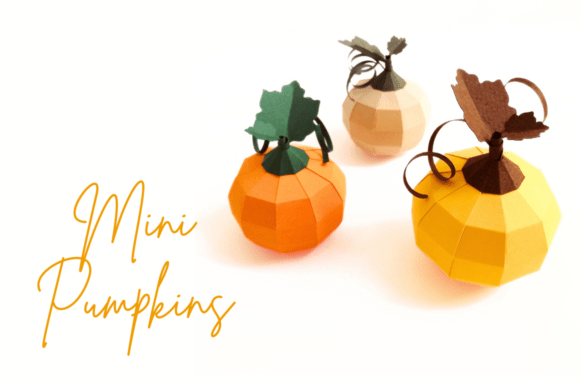
The Mini Pumpkin - Fall Decor package is a digital download designed for crafters who wish to make small, three-dimensional paper pumpkin decorations. Its core distinction lies in being a comprehensive, multi-format template suite aimed at accommodating different tools and skill levels. Unlike a single image file or a basic pattern, it provides specific files for various cutting machines and manual methods.
The included tutorial PDF guides users through assembly and offers links to video support, which is a significant advantage for visual learners. The key technical distinction is the provision of two SVG file variants: one with built-in dotted lines for those without a scoring tool, and one with solid lines for those who have one. This attention to tool accessibility is a thoughtful feature. Furthermore, it supplies files for Silhouette (both Designer and Basic editions), Brother ScanNCut, a DXF format, and a PDF for printing and manual cutting. This multi-format approach means the template is not locked to a single brand or a high-end machine; it can be used by someone with a basic printer and scissors, or by an experienced maker with a dedicated cutter.
Comparing Approaches to Handmade Fall Decorations
When considering how to create mini pumpkin decorations, several paths exist. Understanding these alternatives helps contextualize the value of a dedicated digital template like Mini Pumpkin - Fall Decor.
Free Online Patterns and DIY Guides
A common alternative is seeking free patterns or tutorials from crafting blogs and video platforms. These can be excellent resources, often fostering a community of shared ideas. However, they vary greatly in quality and completeness. A free pattern might provide a basic outline but lack detailed assembly instructions, nuanced scoring marks for crisp folds, or optimized files for cutting machines. You may spend additional time adapting, scaling, or troubleshooting the design. The Mini Pumpkin - Fall Decor package, by contrast, is engineered for a streamlined process, with pre-optimized files and a structured tutorial. The tradeoff is obvious: free resources offer zero cost but potentially more time investment and uncertainty; a purchased template offers predictability and technical support for a fee.
Purchasing Physical Craft Kits
Another route is buying a physical kit containing pre-cut pieces, instructions, and sometimes materials. This is arguably the simplest approach, requiring minimal tools and offering immediate gratification. It suits those who prioritize convenience and a guaranteed result over the customization and tool-use experience. A digital template like Mini Pumpkin - Fall Decor requires you to supply your own paper and operate your cutting tools. Its strength lies in flexibility—you can choose your paper color, weight, and finish, and produce an unlimited number of pumpkins from one purchase. The physical kit offers a single, finite project. Your choice here hinges on whether you value material control and reproducibility, or prefer a one-off, no-fuss experience.
Designing Your Own Template from Scratch
For highly skilled crafters or graphic designers, creating a custom template in software like Adobe Illustrator or Inkscape is a viable option. This grants total creative control over shape, size, and scoring lines. It is the most advanced and time-intensive method, requiring expertise in vector design and understanding of 3D paper engineering. The Mini Pumpkin - Fall Decor template eliminates this design hurdle. It provides a professionally drafted, tested pattern ready for immediate use. This comparison highlights a classic tradeoff between control and efficiency. If your goal is to learn design or create a truly unique form, starting from scratch is rewarding. If your goal is to efficiently produce a classic mini pumpkin decoration with proven assembly steps, the pre-made template is a more pragmatic choice.
Evaluating the Fit for Your Tools and Skills
A crucial decision factor is the compatibility of the template with the tools you own or are willing to use. The multi-format nature of Mini Pumpkin - Fall Decor broadens its accessibility, but it's important to assess your situation realistically.
Best Fit for Cutting Machine Owners
If you own a Silhouette Cameo, Brother ScanNCut, or similar machine, this template leverages your investment efficiently. The provided SVG, DXF, and FCM files are designed for clean, automated cutting. The option between dotted and solid scoring lines allows you to utilize or bypass your machine's scoring tool. For these users, the template transforms a complex 3D design into a simple load-and-cut operation, maximizing machine utility and ensuring precision that manual cutting cannot match.
Best Fit for Manual Crafters
The inclusion of a printable PDF makes Mini Pumpkin - Fall Decor a viable option even without any electronic cutter. You can print the pattern on your chosen paper and cut with scissors or a craft knife. The dotted lines on the PDF version aid in hand-scoring with a blunt tool like an empty pen. This path is more labor-intensive and requires careful handiwork to match the precision of a machine-cut piece, but it is entirely feasible. For manual crafters, the template offers a reliable pattern and instructions, but the time and dexterity required are higher.
When Another Option Might Be Necessary
While versatile, the template may not be the right choice in certain scenarios. If you require a pumpkin design significantly larger or smaller than the provided scale, you would need to resize the files, which requires software knowledge and may affect the structural integrity. If you seek a pumpkin style that is heavily stylized, modern, or abstract, this traditional classic design may not meet your aesthetic needs. In these cases, seeking a custom-designed template or a different pre-made pattern focused on your specific size or style requirement would be more appropriate.
Strengths and Practical Considerations
The primary strength of the Mini Pumpkin - Fall Decor package is its balanced approach to accessibility and precision. It does not assume all users have high-end tools, yet it provides files that maximize the capabilities of those tools if they are available. The tutorial bridge between written and video instruction accommodates different learning preferences.
A practical consideration is paper selection. The success of the final product depends heavily on using paper of appropriate weight and flexibility. The tutorial likely offers guidance, but the user must source this material. This is a subtle point of comparison: a physical kit includes the material, whereas here, material choice is a separate decision and expense, though also an opportunity for customization.
Another consideration is the learning curve for first-time users of cutting machine software. Loading an SVG or DXF and configuring cut settings requires some familiarity with your machine's interface. The tutorial provides a starting point, but users completely new to their software may need to supplement with basic machine tutorials. This is not a limitation of the template per se, but a reality of using any digital design with specialized hardware.
Making an Informed Decision for Your Fall Project
Choosing a resource like Mini Pumpkin - Fall Decor ultimately depends on aligning its offerings with your project's priorities. Consider these factors:
- Tool Availability: Do you have a cutting machine, or are you content with manual methods? The template supports both, but your experience will differ.
- Time vs. Cost Tradeoff: Are you willing to invest time in finding, testing, and adapting free resources, or do you prefer a paid, consolidated solution to save time?
- Desired Output Volume: Do you want to make one pumpkin for a centerpiece, or a dozen for a mantel display? The template's reproducibility favors volume production.
- Learning Objectives: Is your goal simply a beautiful decoration, or also to learn paper craft design? The template fulfills the former efficiently.
- Support Needs: Do you value having a structured guide and likely video support, or are you confident troubleshooting on your own?
For many crafters, especially those with cutting machines who value efficiency and a proven design, the Mini Pumpkin - Fall Decor template represents a sensible middle path. It offers more structure and technical optimization than free patterns, more flexibility and control than physical kits, and less design overhead than creating a template from scratch. It is particularly well-suited for those who fall into the middle of the skill spectrum—not absolute beginners needing a fully physical kit, nor expert designers wanting full creative control—but who are practical makers looking for a reliable, high-quality result with the tools they already possess.
Ultimately, the decision rests on your specific context. By evaluating your tools, time, skill level, and desired outcome against the features and tradeoffs discussed, you can select the approach that will make your fall decorating project both successful and enjoyable.