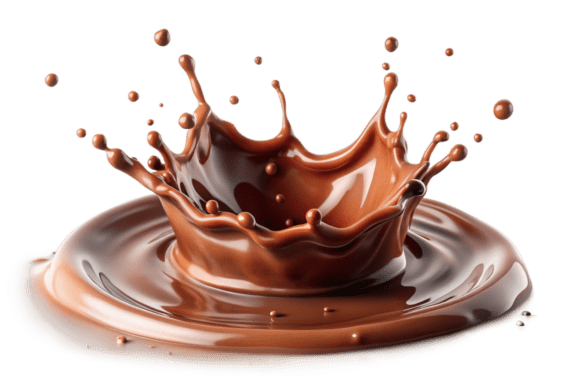
Unlocking Creative Potential with Watercolor 3D Chocolate Splashes Graphics
In the vast digital landscape where visual assets are a cornerstone of creativity, a specific type of resource stands out for its versatility and aesthetic appeal. The availability of high-quality, transparent background PNG files, such as the Watercolor 3D Chocolate Splashes collection, represents a significant asset for anyone engaged in design. These files are not merely decorative elements; they are functional tools that empower creators to translate ideas into tangible products and digital experiences without the typical barriers of technical graphic creation.
The Core Characteristics of Premium PNG Assets
Understanding what makes these graphics valuable begins with their technical specifications. A PNG file with a transparent background means the artwork exists independently of any colored backdrop. When designers place such an element into a new composition, it integrates seamlessly, allowing the focus to remain solely on the graphic itself. The “watercolor 3D” style combines two distinct artistic techniques: the soft, blended, organic feel of watercolor painting and the dimensional, realistic depth of three-dimensional rendering. When applied to a subject like chocolate splashes, the result is a graphic that feels both artistic and contemporary, with a tactile, almost luxurious quality.
The high resolution, typically 300 DPI (dots per inch), is crucial. This density of information ensures that the image retains sharpness and detail even when enlarged. For physical products like t-shirts or posters, this prevents pixelation and blurring, guaranteeing a professional final print. For digital use on websites or in digital graphics, it allows for crisp display on high-definition screens. The provision of these files in a downloadable zip file, free of watermarks, directly addresses the practical needs of users, removing obstacles to immediate application.
A Broad Spectrum of Practical Applications
The true measure of a graphic resource’s worth is its range of possible uses. These transparent PNG files serve as a versatile raw material across multiple domains.
- Print-On-Demand and Merchandise: The rise of POD platforms has democratized product creation. A designer can apply a watercolor 3D chocolate splash graphic directly onto the template for a t-shirt, hoodie, or mug. The transparent background allows it to work on any base color—a white, black, or colored garment. Similarly, it can adorn phone cases, bags, or pillows, creating cohesive product lines with a distinctive artistic theme.
- Digital Design and Web Projects: Web designers and digital artists utilize such assets to enhance user interfaces, create eye-catching banners, or design unique promotional graphics for social media. The watercolor texture can add a soft, inviting visual layer to a website’s aesthetic, while the 3D effect provides a modern touch.
- Surface Pattern Design: For creators in the homeware or fabric industries, these PNGs can be repeated, rotated, and arranged to form all-over patterns. Imagine a bedding set or a curtain fabric featuring a scattered pattern of these chocolate splashes, creating a warm and indulgent ambiance.
- Marketing and Stationery: From invitation cards to poster designs, these graphics provide an instant uplift. A chocolate splash can be a central motif for a cafe’s launch invitation or a subtle decorative element on a thank-you card, leveraging the universal positive associations with chocolate.
Advantages for Commercial Creators and Hobbyists
The permission for commercial use is a foundational advantage. It means individuals, small business owners, and freelance designers can incorporate these graphics into projects they sell or use for client work without legal concern. This removes a layer of complexity and cost often associated with sourcing licensed imagery or commissioning custom artwork.
From a workflow perspective, the “easy to edit and use” claim holds significant weight. Because the files are pre-made and of high quality, they save immense time. A hobbyist crafting stickers for a local market doesn’t need expertise in 3D modeling or watercolor simulation. They can download the file, position it in their preferred software, and proceed to production. For educators creating teaching materials or researchers designing presentation graphics for conferences, such resources offer a quick way to improve visual communication without diverting focus from their primary expertise.
Strategic Considerations for Implementation
While the assets are highly usable, effective implementation relies on thoughtful design principles. A graphic’s impact depends on context. Using a large, vibrant watercolor 3D chocolate splash as a dominant focal point on a t-shirt creates a bold statement. Using smaller, clustered splashes as a border pattern on a mug suggests a more delicate, decorative approach. In digital spaces, one must consider how the graphic’s colors interact with the website’s palette and ensure it does not overwhelm functional elements like text or buttons.
Another consideration is originality. While the graphic itself is a superb tool, combining it with other elements, custom text, or unique layouts ensures the final design remains distinctive. The resource becomes a component in a larger creative assembly, not the entire output.
The Role in Modern Creative Ecosystems
The distribution of such graphics reflects a shift in how creative tools are accessed. It aligns with the model of providing ready-to-use, high-quality components that empower a wider audience to participate in design. This is particularly relevant for small business owners who may not have a dedicated design team but need professional-looking assets for their products. It also supports the growing community of content creators who need constant visual refresh for their channels and brands.
Observing trends in consumer preferences, there is a sustained appetite for designs that feel artisanal, textured, and indulgent. The watercolor 3D chocolate splashes theme taps directly into this, offering a visual metaphor for richness, creativity, and pleasure. It can appeal across demographics, from younger audiences attracted to vibrant digital art to older consumers appreciating the classic watercolor aesthetic on home goods.
Ultimately, the value of these PNG files extends beyond their immediate visual content. They represent a bridge between complex artistic technique and practical application. They enable the translation of a sophisticated artistic style—the blend of watercolor and 3D rendering—into everyday objects and digital spaces. By providing them in a format that is transparent, high-resolution, and free for commercial use, the barrier between having a creative idea and executing it is dramatically lowered. For anyone looking to enhance a product, a project, or a promotional campaign with a touch of artistic luxury and dimensional intrigue, such resources offer a straightforward and effective path forward.