Unleash Your Creativity: The Halloween Moon Ghost Shadow Box SVG
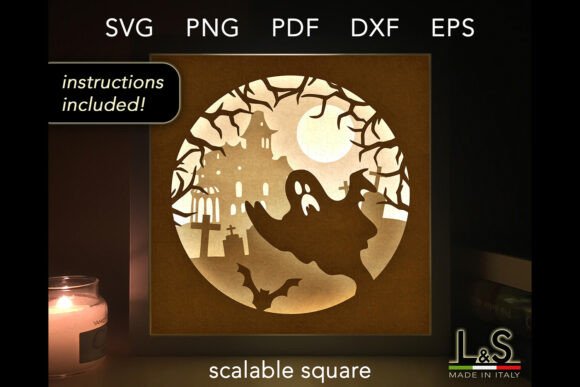
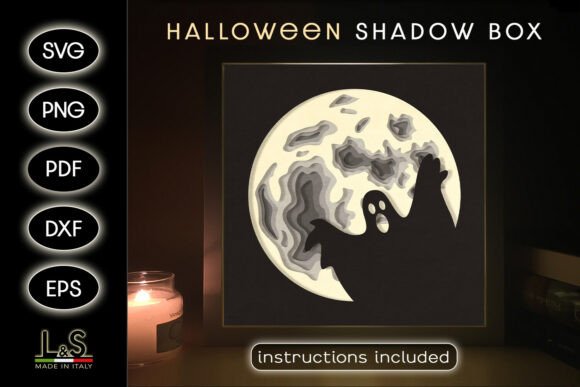
As the autumn air grows crisp, the creative community turns its attention to crafting seasonal decor. Among the myriad of projects, layered shadow boxes stand out for their stunning visual depth and enchanting charm. The Halloween Moon Ghost Shadow Box SVG template is a premier digital craft file designed to help you create a hauntingly beautiful 3D scene. This isn't just another generic cut file; it's a meticulously layered design featuring a spectral ghost, a haunting moon, and intricate background layers that build a captivating narrative within an 8x8” frame.
Why This Template Captures Attention
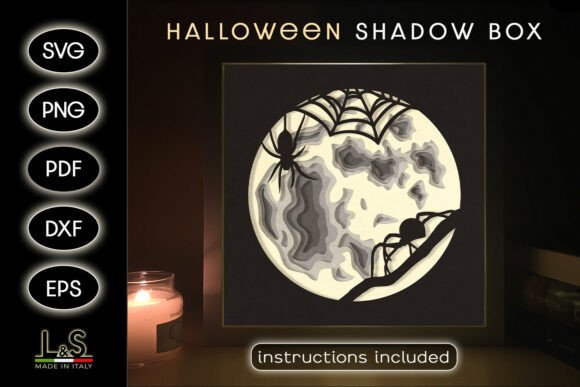
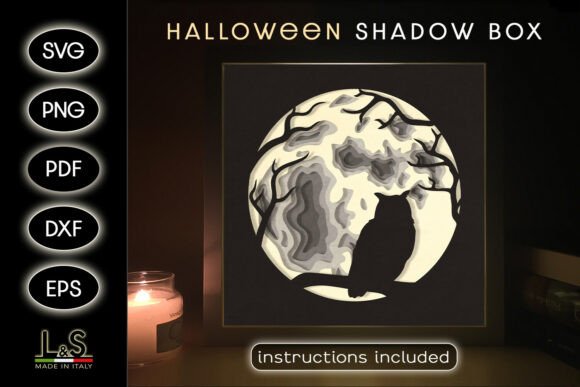
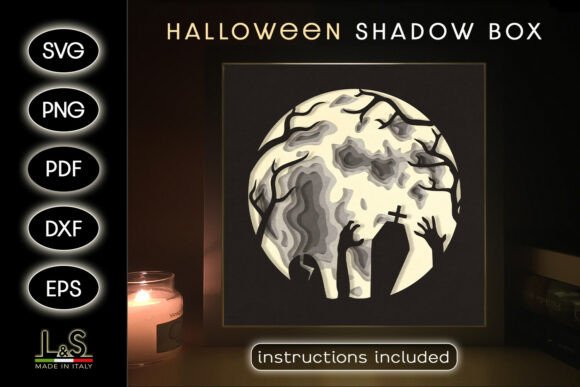
What draws crafters to this specific design is its balance of evocative theme and technical versatility. The scene isn't overly cluttered, allowing each element—the ghost, the moon, the subtle landscape—to have its own presence. This makes the final result professional and gallery-worthy, not merely a cute craft. People are interested because it serves multiple purposes: a stunning light box decoration that casts eerie shadows, a unique Halloween card, or a permanent piece of wall art. The included simple tutorial explicitly welcomes beginners, lowering the barrier to entry for 3D paper crafting, while the array of file formats (SVG, PDF, PNG, DXF, EPS) speaks directly to experienced makers using various software and machines.
Choosing Your Materials: The Common Oversight
A frequent mistake occurs right at the start: material selection. The instructions recommend white cardstock, particularly for light boxes. Many, eager to add color, immediately reach for black or vibrant orange paper. This can lead to a disappointing result. When used in a light box, non-white cardstock drastically reduces the light transmission, muting the beautiful layered effect and leaving you with a dim, shadowy box rather than a glowing masterpiece. For light box use, sticking with high-quality, bright white cardstock is non-negotiable.
However, the template’s note, “creativity has no limits,” is your guide for alternative projects. If you intend to create a shadow box without a light source, or craft a Halloween card, then colored cardstock opens a world of possibility. A deep blue background can create a nighttime scene, while grey layers add a foggy, atmospheric feel. The key is to match your material choice to your intended final use. Before you cut, decide: is this for a lighted display, or a static art piece? That single decision will set your entire project on the right path.
The File Format Confusion and Machine Compatibility
Another common area of misunderstanding revolves around the digital files themselves. The product includes a ZIP file containing multiple formats. Beginners often download the ZIP, extract it, and then feel overwhelmed or mistakenly try to use a PNG file with their Cricut Design Space, which can lead to sizing and cutting issues. Here’s the practical breakdown:
- SVG files are your go-to for cutting machines like Cricut, Silhouette, Brother, and most CNC or laser software. They are vector files that keep clean lines regardless of size.
- PDF files are ideal if you plan to print and cut by hand. They are ready-to-print at the correct 8x8” size.
- PNG files with transparent backgrounds are excellent for printing on pre-cut cardstock or for use in other graphic software, but they are not typically direct-cut files for machines.
- DXF and EPS files serve specific software users (like Silhouette Basic Edition or Adobe Illustrator).
The mistake to avoid is using an incompatible file format for your chosen method. This causes frustration, wasted material, and time. Before opening your software, check which file format is recommended for your specific machine and application. For most modern cutter users, the SVG files will provide the smoothest experience.
Assembly Pitfalls: Beyond the Tutorial
The included tutorial is a fantastic starting point, especially for beginners aiming to assemble their 3D Halloween shadow box in just a few minutes. However, a common overlooked detail is the order of assembly and adhesive choice. The tutorial will guide you, but rushing and gluing layers haphazardly can result in a misaligned, messy box where the ghost appears behind a tree branch it should be floating in front of.
Take a moment before applying any glue. Lay out all six layers in order. Understand which layer creates the foreground and which forms the deepest background. Use a precise adhesive like a fine-tip glue pen or double-sided adhesive dots instead of large globs of liquid glue, which can warp the delicate paper and seep out visibly. A better approach is to practice “dry assembly” first, stacking the layers without glue to see the intended depth and interaction. This extra five-minute step can save you from a flawed final product.
What to Check Before You Craft
Before you commit to downloading or using this Halloween Moon Ghost Shadow Box SVG, run through this quick mental checklist:
- Project Purpose: Am I making a light box, static decor, or a card? This determines my material (white vs. colored cardstock).
- Tool Compatibility: Do I have a cutting machine, or will I cut by hand? This tells me which file format (SVG or PDF) to use primarily.
- Skill Level Match: As a beginner, does the included tutorial seem clear? Are the layers (6) a manageable number for my first 3D project?
- Supply Inventory: Do I have the recommended supplies (specific cardstock weight, adhesive, a frame or light box base) ready, or do I need to purchase them? Crafting spontaneously without the right supplies leads to halted projects.
Evaluating these points ensures you have a realistic plan, aligning your expectations with the template's design strengths. It turns an impulsive download into a successful project blueprint.
Embracing Versatility Without Sacrificing Quality
The template’s versatility is a major asset, but it requires a mindful approach. The idea of using “colorful cardstock” or making a “unique Halloween card” is enticing. A better approach than randomly experimenting is to plan one variation at a time. For instance, if you want to make a card, consider reducing the number of layers from six to perhaps three or four to keep it postal-friendly and less bulky. Use the PNG files to print the ghost design directly onto a card base. This targeted use of the files prevents the project from becoming overly complex and straying from its original, elegant design intent.
Ultimately, the Halloween Moon Ghost Shadow Box SVG is a tool for elegant creation. By avoiding the common pitfalls of material misselection, file format confusion, and hasty assembly, you can transform this digital template into a tangible masterpiece. Whether it glows from within a light box or stands as a sophisticated piece of Halloween art, your attention to these practical details will ensure the final result is nothing less than spooktacular.